

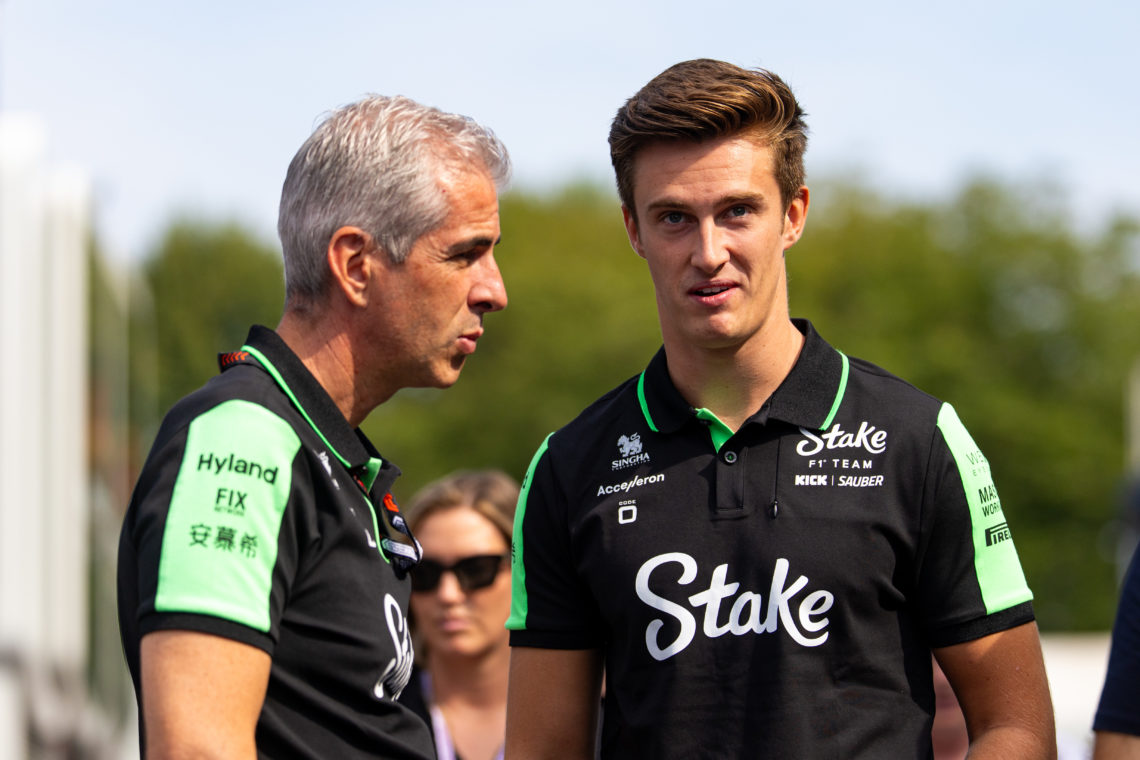


Theo Pourchaire’s career stalled this season as he didn’t consistently race in a championship and complete a full season.
This was a major blow to the Frenchman after a successful junior career, winning the Formula 2 championship last year with ART.
Pourchaire raced in some Super Formula and IndyCar races but didn’t compete in a full season, which was very frustrating for the F2 champion.
He is now unlikely to race in Formula 1 despite being part of the Sauber Academy, as Audi opted for Nico Hulkenberg and Gabriel Bortoleto at the Swiss team for 2025.
His lack of racing has been an issue, as building on a successful junior career is important, but the 21-year-old may become Peugeot’s reserve driver. Pourchaire tested a Peugeot Hypercar in Bahrain and told sportscar365 why WEC differs from Formula 1 after his outing.
Theo Pourchaire believes WEC is different to F1 due to the closed cockpit
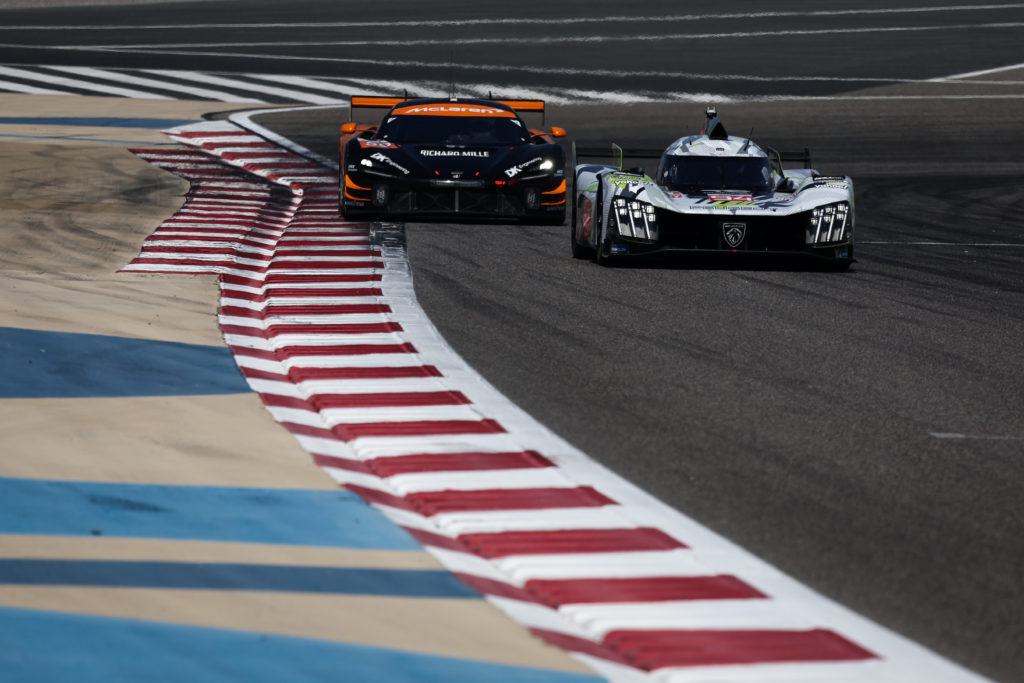
Pourchaire has spent his career ascending the ladder of junior categories, pushing to reach Formula 1 and race at the highest level.
The Frenchman is unlikely to compete in the championship and Pourchaire is beginning to switch his focus to endurance racing, similar to Frederik Vesti.
The World Endurance Championship is very different to Formula 1 and other single-seater categories as the races are much longer.
F1 races are around two hours long, while a WEC race is at least six hours and lasts 24 hours at Le Mans once a year.
The multi-class aspect can complicate races, as Hypercars need to pass LMP2 and LMGT3 entries without losing time or damaging their cars.
READ MORE: Andre Lotterer admits why Le Mans is now less special in WEC’s Hypercar era
In addition to traffic, a closed cockpit is a very different experience from a single-seater, and it can make visibility slightly tricky.
It all meant Pourchaire found driving the Hypercar a different world compared to what he’s raced in before, although the teams are a similar size to the top single-seater series.
He said: “I did a little bit of simulator and seat fitting with Peugeot at [the factory in] Satory, so I could prepare myself a little bit and arrive ready. Everyone helped me a lot to understand Hypercar, just to learn the basics, because it’s quite different to what I am used to.
“You can see the level is high. There are a lot of manufacturers, proper big teams with a lot of people inside them. For me, it’s almost like a different sport, because of the way you have to share the car and work as a team to go quicker.
“The car itself is heavy and powerful. It’s the first time for me to drive a car with a closed cockpit as well, which is something you notice with the visibility and the driving position.”
Driving a Hypercar in the WEC is very different to a single-seater
Hypercars are very popular among manufacturers and are different from single-seaters due to the increase in weight.
There is also a hybrid system, which cars on the junior ladder don’t have as it is a very expensive part of the power unit.
Driver aids such as traction control can make it easier for the driver over a stint, particularly in the rain, whereas single-seaters don’t have assists like this.
If Pourchaire were to land a full-time seat race seat in WEC later in his career, he would have to learn how to manage traffic and different conditions.