



Toyota plans to introduce a hydrogen-combustion car into the World Endurance Championship in 2028.
The Japanese manufacturer will run the new machine alongside its current GR010 HYBRID in a few races, including the 24 Hours of Le Mans.
Toyota has been incredibly successful in the WEC since returning to the championship in 2012, winning at Le Mans five times in a row.
This period of domination was abruptly ended last year, as Ferrari took victory on their return to the top class in the race.
The hydrogen-combustion car is anticipated to be based on the GR HY concept, revealed in 2023, and to compete in no more than two races.
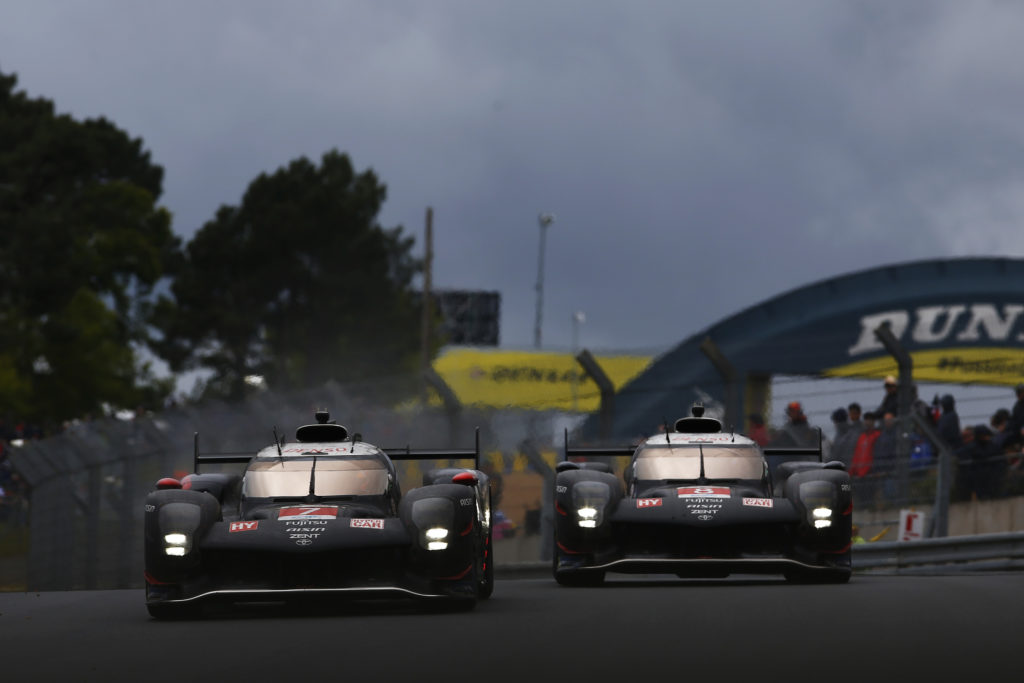
Toyota Hydrogen car is planned to be at Spa and Le Mans in 2028
The hydrogen rules are set to be implemented at the start of the 2028 season and present an opportunity for WEC and motorsport to move forward with carbon-neutral fuels.
John Litjens, project leader of Hypercar development at Toyota Gazoo Racing Europe, said: “What we have planned is to start with the hydrogen car and to run it first in a couple of races, not a full season.
“The Automobile Club de l’Ouest [which jointly runs the WEC with the FIA] has mentioned three races in the first year, so there would be a transition. It all depends on what the regulations allow us to do.”
ACO boss Pierre Fillon added that this idea is for the hydrogen car to be at Spa and Le Mans. “The plan is to have them at Spa [which traditionally takes place at the end of April or early May] and Le Mans for the first year.”
The regulations are yet to be defined, which doesn’t give a clear roadmap around Toyota’s hydrogen project.
FIA technical director Xavier Mestelan Pinon said a critical opening step is to “define what we call the generic regulation for liquid hydrogen.”
Hydrogen cars are promising but they have drawbacks
Hydrogen cars are yet to become a popular vehicle and its highly flammable nature makes hydrogen difficult to transport safely.
A small minority of road cars, such as the Toyota Mirai and Hyundai Nexo run on hydrogen. This alternative to fossil fuels has potential, but high hydrogen prices and a mediocre infrastructure make it less appealing.
Hydrogen has also yet to become popular in motorsport but will take a step in the right direction with the new Extreme H series.