

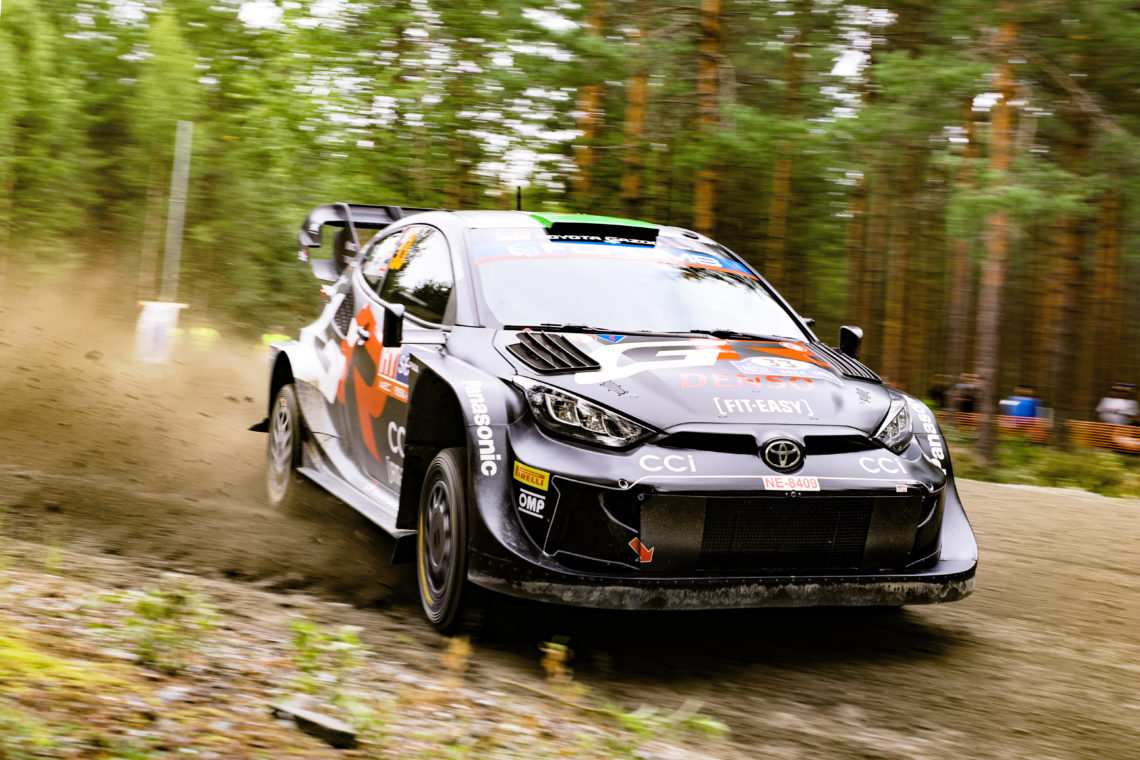


The World Rally Championship (WRC) has introduced virtual chicanes for the first time at Rally Finland this weekend in an all-new innovation intended to slow the cars down.
Virtual chicanes have become more popular in rallying, such as being used in the European Rally Championship at Rally di Roma.
The new safety measure made its WRC introduction at Rally Latvia, too, after being used solely on the shakedown stage, although it was not compulsory to be run by the drivers.
Virtual chicanes have also allowed the Ouninpohja stage to return to the WRC, and will now feature for the first time in a rally this Saturday. The WRC field will conduct two runs of the Ouninpohja stage as Stages 13 and 16.
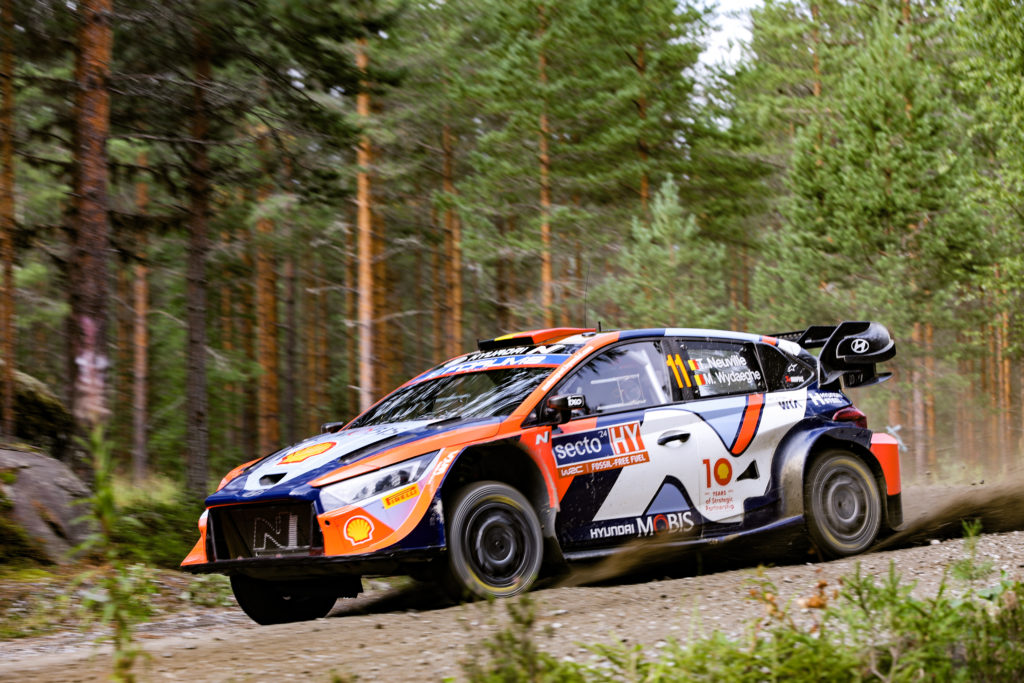
Why is the WRC introducing virtual chicanes?
Virtual chicanes are being introduced to increase the safety levels on sections of stages prior to the twisty and challenging parts of the road.
Hay bales and physical chicanes have become more problematic in recent years, opening the door for a new solution to safety in the WRC.
Nicolas Klinger, the FIA rally safety delegate, has explained that at some rallies, hay bales can’t even be introduced any longer.
“In some countries, they can’t have straw bales and it has become more and more difficult to get straw bales,” Klinger said, via Motorsport.com. “Straw bales weigh 400kg and you need to move them.
“Also, sometimes roads can be very narrow, so you can’t implement the chicane just because of the width of the road.”
The virtual chicanes are being introduced in the middle of a WRC season that has a fierce title battle with just five rounds to go.
Thierry Neuville topped the standings entering Rally Finland as he looks to win his first title, ahead of Hyundai’s Ott Tanak and Toyota’s Elfyn Evans.
Sebastien Ogier gives verdict on WRC’s virtual chicanes
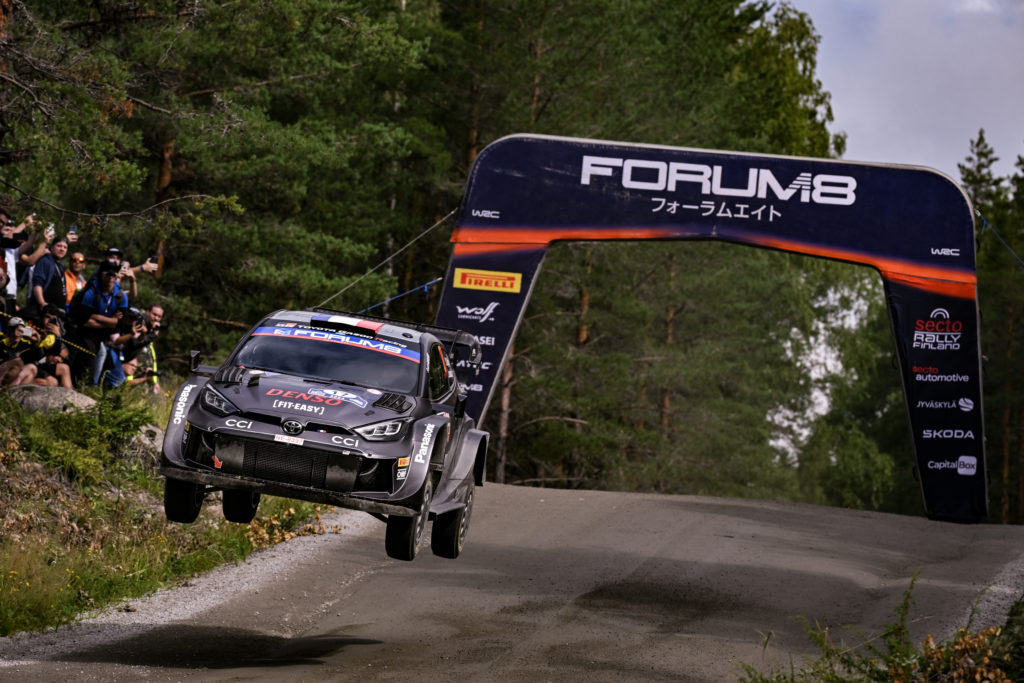
Sebastien Ogier also attempted the virtual chicanes during the shakedown before the eighth round of the season at Rally Latvia.
Virtual chicanes will be marked out to the drivers by signs on the roadside indicating the zone is 300m away, down to 100m.
Drivers will need to slow down to 60kph during the zone, and failure to do so means two seconds per every kph over the limit and will be added to the overall stage time.
The Frenchman admitted that suddenly slowing down in the middle of a stage would look odd from outside the car.
He told the FIA World Rally Championship’s YouTube channel: “Basically, from outside, it will always look weird because fans are going to think, ‘Are they drunk?’ Or, ‘Why are they braking in the middle of a straight?’
“But for us inside the car, you have a zone, probably 200 metres if I understood well, where you need to reach, in this case, this morning was 60 km/h, and means you have to make a big brake.
“Then on our dash, you have the speed and as soon as the dash turned green, then you can accelerate again and go again [at] full speed.”
The dash in the middle of the car will turn green rather than in front of the driver, meaning the co-driver will need to pay attention during the virtual chicanes.