




Mario Andretti is an IndyCar legend who drove in an entirely different era from what modern-day drivers face.
Four IndyCar championships claimed between 1965 and 1984 show just how long he was at the top of his game.
In the midst of those, he even went to Europe and won the 1978 Formula 1 world championship with Lotus in a historic era for the sport.
11 drivers lost their lives in the decade that Andretti won the first three of his titles (1960’s), while there have been no fatalities for nearly a decade in the modern era.
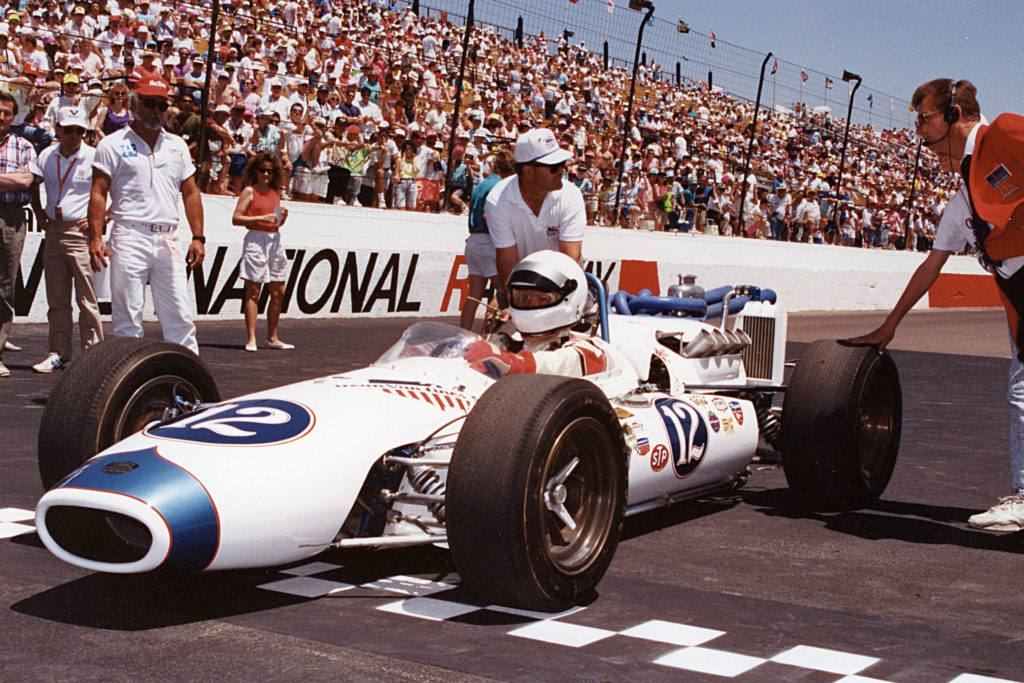
Mario Andretti says IndyCar was ‘pretty cruel’ before changes
In recent times, governing bodies, teams and drivers have made utmost efforts to ensure that events run as safely and smoothly as possible.
Justin Wilson sadly succumbed to his injuries in 2015, but improvements in safety standards mean that drivers like Robert Wickens have been able to survive some horrific shunts.
Speaking to In The Front Row with Mike Vaccaro, Andretti discussed how attitudes were very different towards safety in his days.
READ MORE: Graham Rahal shares what ‘becomes an annoyance’ after ‘continuous’ IndyCar ‘frustration’
“If you could dwell on that, you were in the wrong business,” he said. “Unfortunately, the sport was pretty cruel in those decades. The safety factor was certainly not really dealt with.
“It took a long time for the sport of motor racing to really wake up and start realising that [things had to improve].
“You had to go about it in such a way that you couldn’t show that you had concerns about that. You had to be macho macho.”
Just why was racing so dangerous in the 20th century?
There were multiple problems with cars designed decades ago that ultimately made them unsafe, and in some cases – death traps.
Weak monocoques made with poor materials couldn’t resist the forces of a shunt or protect the driver within the cell.
Suspension components and tyres were able to fly off at will in any direction, without being tethered after a crash.
READ MORE: Former IndyCar driver lands ‘dream’ racing return with Meyer Shank Racing
Rollbar tests weren’t as stringent, meaning that drivers were vulnerable if they flipped over, and fuel cells were weak meaning that explosions could happen without a moment of notice.
IndyCar is in a much safer place now thanks to the risks taken by their predecessors, and that has paid dividends for spectators and fans too – who are safer at tracks as a result of their sacrifices.