

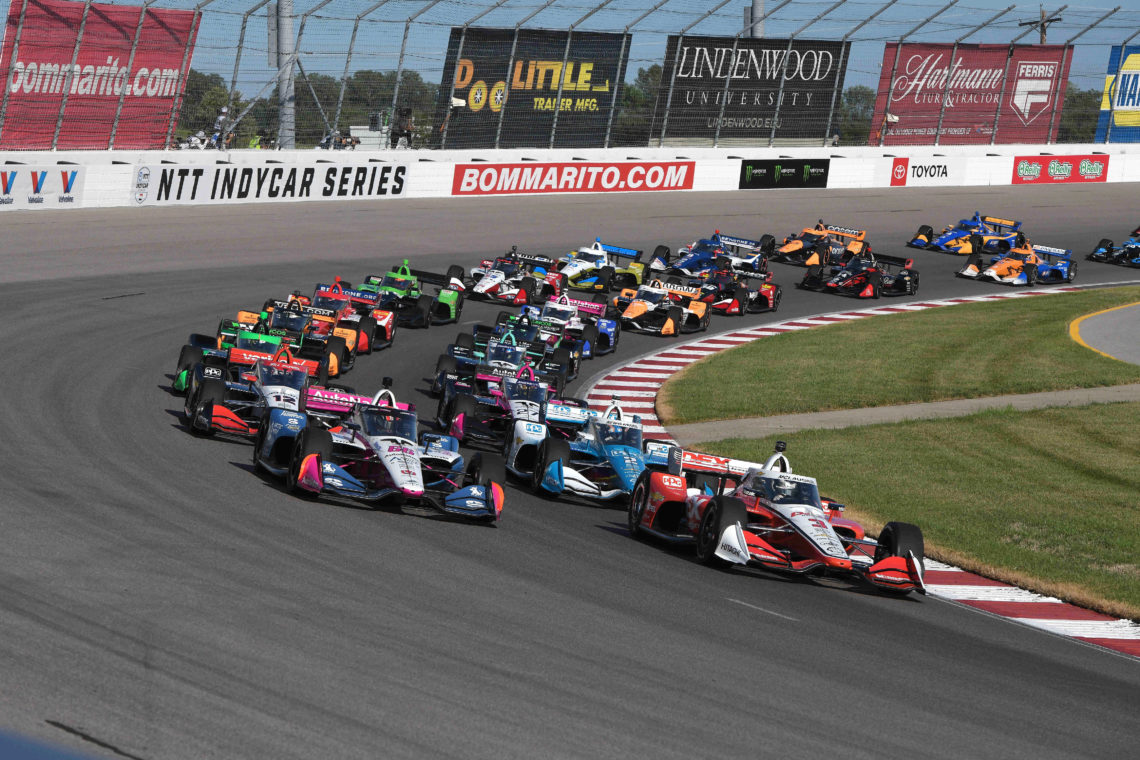


Historically, IndyCar wasn’t really a place where any driver from the European circuit would consider going in their quest to achieve great things in motorsport.
A proving ground for talent is considered to be the likes of Formula 2 and Formula 3 – the feeder series for Formula 1.
But what happens when or if they are finished with those categories, but cannot find a seat in the pinnacle of motorsport?
Japanese Super Formula, the World Endurance Championship, and Formula E are all options, but North America’s IndyCar appears to be more popular than ever.
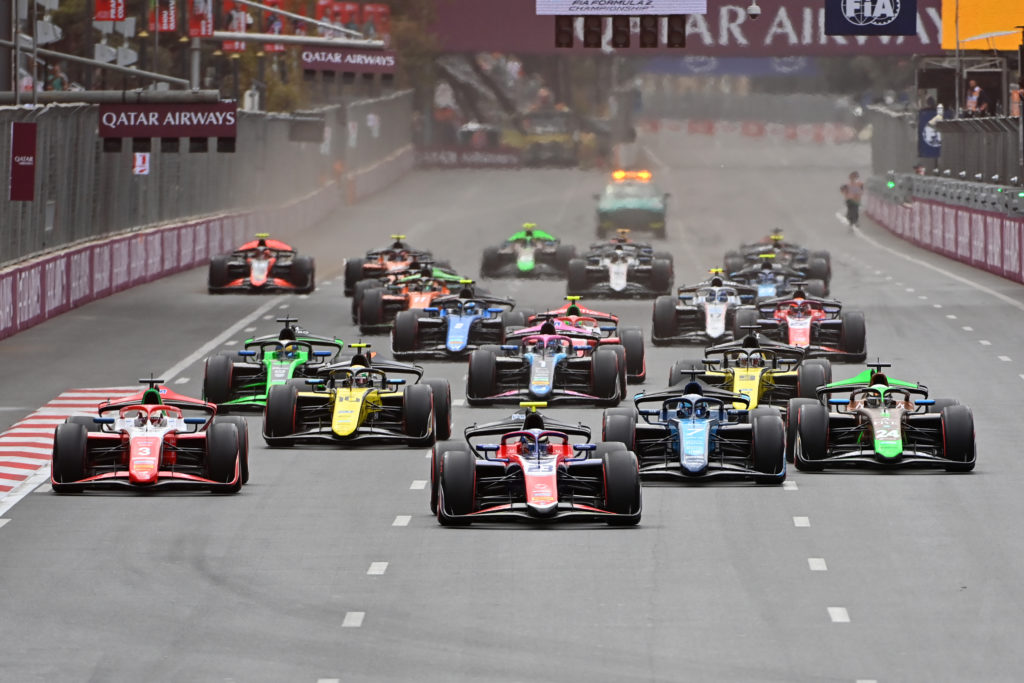
What examples do we have of Formula 2 to IndyCar migration?
Formula 1 is seen as the epicentre of world motorsport, but if drivers haven’t done enough to convince teams to sign them after their junior career ends – where do they go?
In recent times we have seen plenty of drivers switch it up and go to either Japanese Super Formula or IndyCar.
Most recently, Liam Lawson went to Japan and came second, after taking three race wins for Team Mugen.
READ MORE: Mick Schumacher told which series he should ‘go into’ if he fails to secure 2025 F1 seat
The likes of Pierre Gasly and three-time IndyCar champion Alex Palou (Rookie of the Year) have competed over in Asia too.
But conversely, Callum Ilott, Theo Pourchaire, Felipe Drugovich, and Marcus Armstrong are all Formula 2 race-winners who failed to secure Formula 1 drives and moved to IndyCar.
Who are the most successful current IndyCar drivers who have been in Formula 2?
Pato O’Ward is probably the most successful current IndyCar driver to have participated in Formula 2, going on to make a name for himself with McLaren.
Santino Ferrucci enjoyed a breakthrough 2024 season, finishing ninth in the drivers’ standings, and he raced in Formula 2 back in 2017 and 2018.
These examples alone prove that this is a good method, however why is that the case?
READ MORE: Chip Ganassi shares why his team are ‘lucky’ after winning another IndyCar championship
It starts with the cars being a good step between Formula 1 and Formula 2 – a combination of no power steering and extra speed offers a good challenge to the young drivers.
Those who can do well in modern IndyCar, stand a good chance of being able to cope with the physical demands of a Formula 1 car.
Formula 2 cars are now described as some of the trickiest to handle in the world, helping anyone who makes the switch to North America be well-prepared for the gig.